Scientific discoveries have changed human life in deep ways. They explain how nature works. They also help us solve real problems. Over time, these discoveries improved health, technology, and survival.
In this article, we explore the top 10 scientific discoveries that changed the world. Each one had a lasting impact. Together, they form the foundation of modern science.
1. Gravity — The Force That Shapes the Universe
Isaac Newton (1687)

Gravity explains why objects fall to the ground. It also explains how planets move in space. Before this discovery, motion was poorly understood.
However, Newton showed that the same force controls Earth and space. As a result, science gained a clear set of physical laws.
Why it matters:
- This discovery made modern physics possible.
- At the same time, it enabled engineering and space travel.
- Over time, it shaped science for centuries.
Field: Physics
2. Evolution by Natural Selection
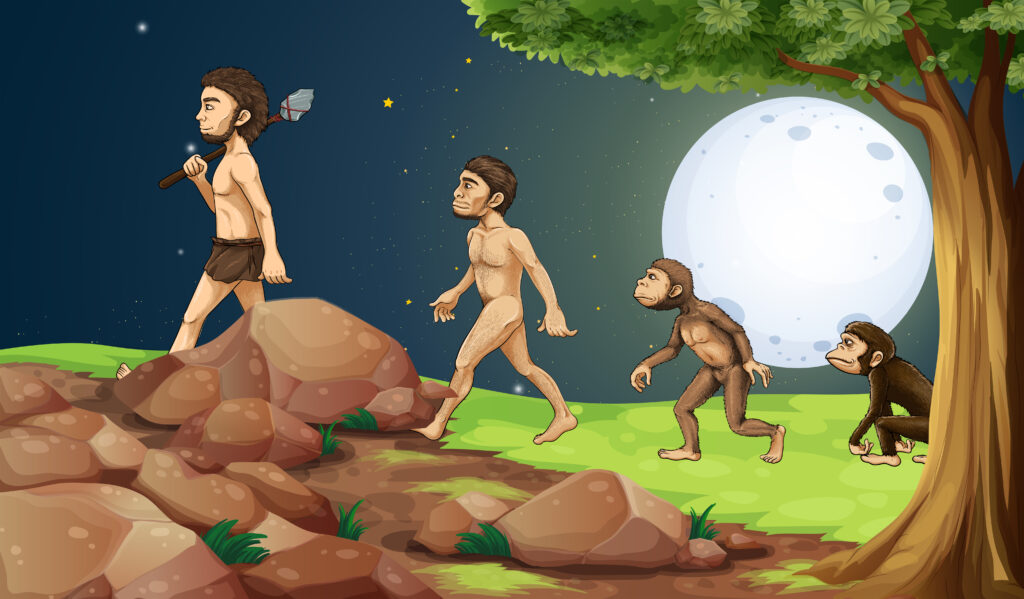
Evolution explains how living things change over time. According to Darwin, organisms adapt to their environment. Those best suited to survive pass on their traits.
At first, this idea was controversial. However, evidence later supported it. Today, evolution is central to biology.
Why it changed the world:
- First, it explains the diversity of life on Earth.
- In addition, it guides modern medicine and genetics.
- Most importantly, it changed how humans view their origins.
Field: Biology
3. Germ Theory of Disease
Louis Pasteur & Robert Koch (19th Century)
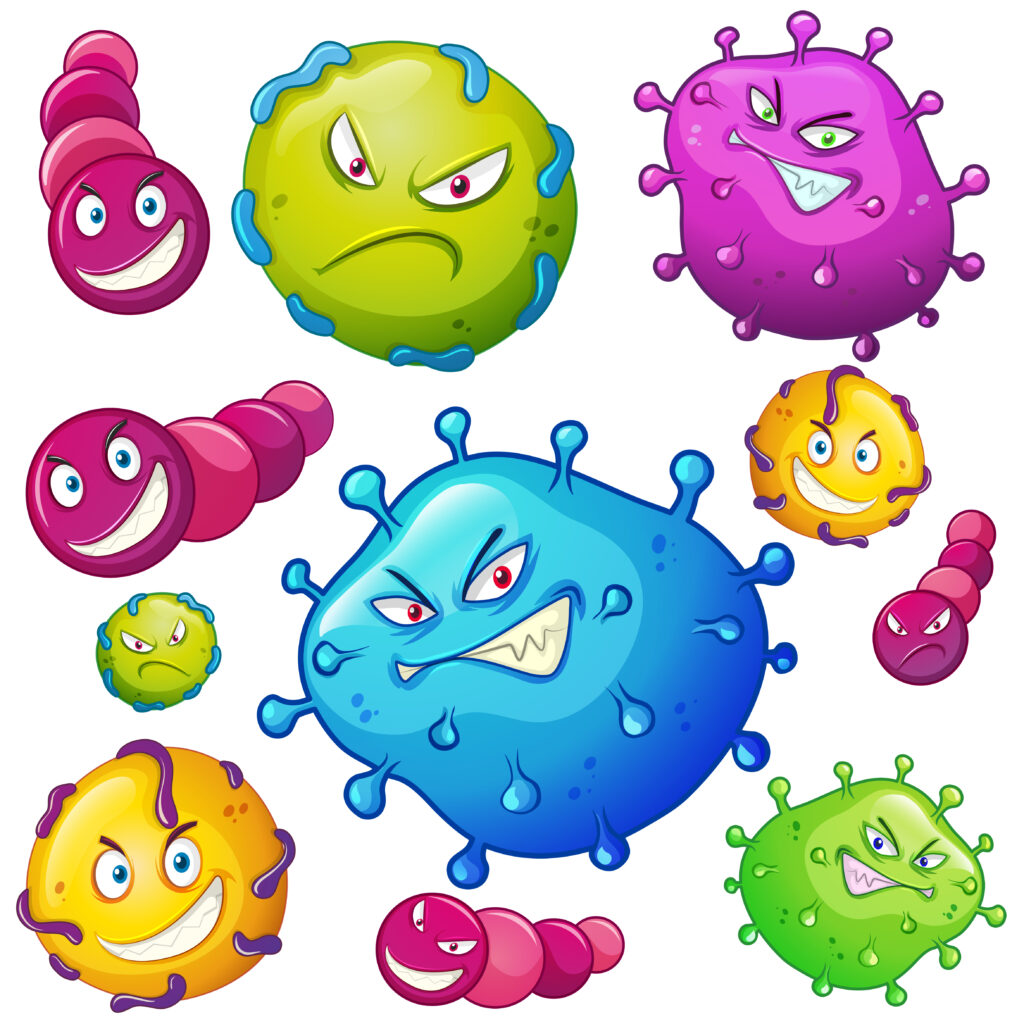
For centuries, people believed disease came from bad air. This belief was wrong. Germ theory showed that microorganisms cause infections.
As a result, medicine changed completely. Doctors improved hygiene and sanitation. Over time, survival rates increased.
Major impact:
- Led to vaccines and antibiotics
- Made surgery safer
- Increased life expectancy worldwide
Field: Medicine / Microbiology
4. Electricity — Powering the Modern World
Franklin, Faraday, Tesla, and others

Electricity exists in nature. However, scientists learned how to control it. This discovery transformed daily life.
Today, electricity powers homes and cities. It also drives computers and communication. Without it, modern society would not exist.
Why it is essential:
- Enabled modern technology
- Powered the Industrial Revolution
- Supports nearly all digital systems
Field: Physics / Engineering
5. DNA and the Genetic Code
Watson, Crick, and Franklin (1953)
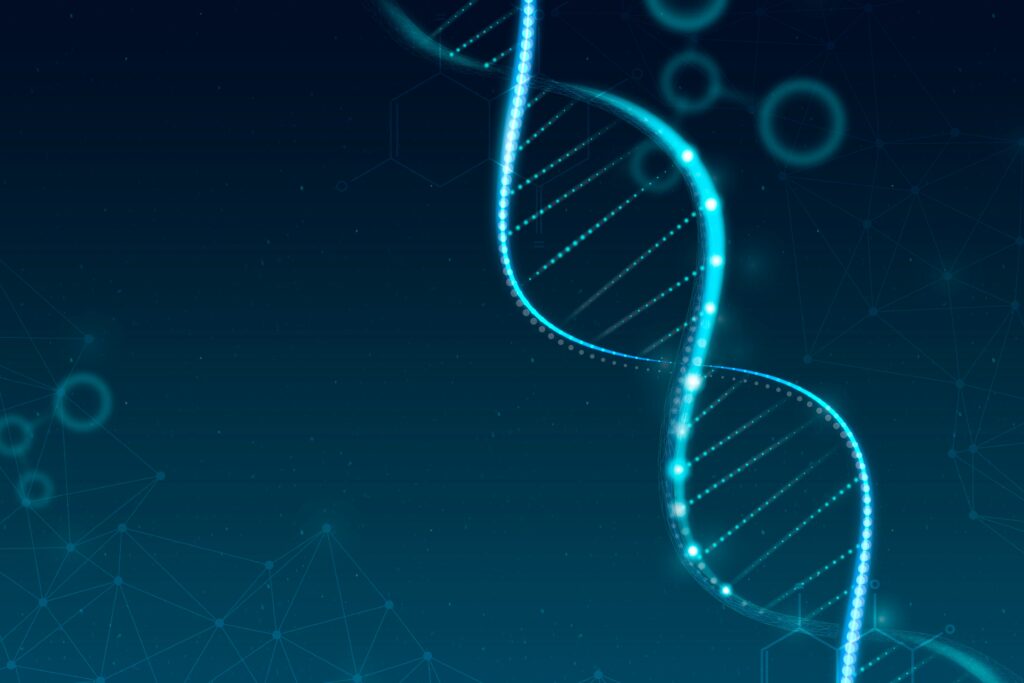
DNA carries genetic information. The discovery of its double-helix structure was a major breakthrough.
Because of this discovery, scientists learned how traits pass from parents to children. In addition, it launched modern genetics.
Why it matters today:
- Improved disease research
- Enabled biotechnology and gene therapy
- Advanced medical treatments
Field: Genetics
6. Penicillin and Antibiotics
Alexander Fleming (1928)

Penicillin was discovered by accident. However, it became one of the most important medical tools in history.
Before antibiotics, simple infections could be deadly. Afterward, millions of lives were saved.
Life-changing results:
- Reduced death from infections
- Made surgeries safer
- Changed modern medicine
Field: Medicine
7. The Heliocentric Model of the Solar System
Copernicus, Galileo, Kepler
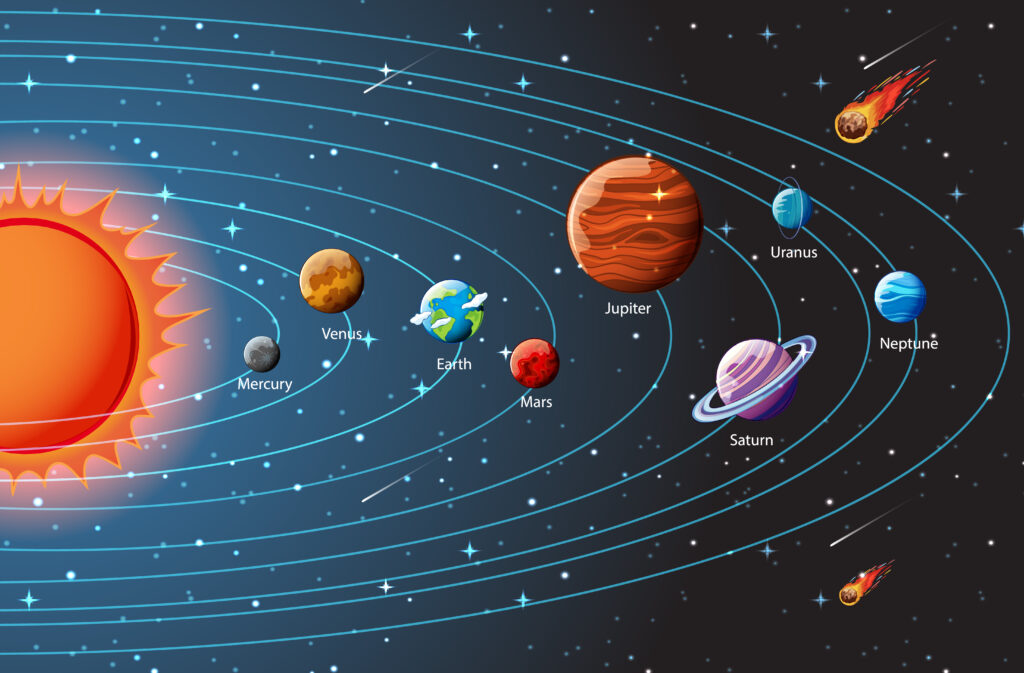
For a long time, people believed Earth was the center of the universe. This idea was incorrect. Scientists later showed that Earth orbits the Sun.
As a result, astronomy became evidence-based. In contrast to old beliefs, observation guided science.
Why it changed science forever:
- Sparked the Scientific Revolution
- Established observation-based astronomy
- Redefined humanity’s place in the universe
Field: Astronomy
8. Quantum Mechanics
20th Century Physics Breakthrough
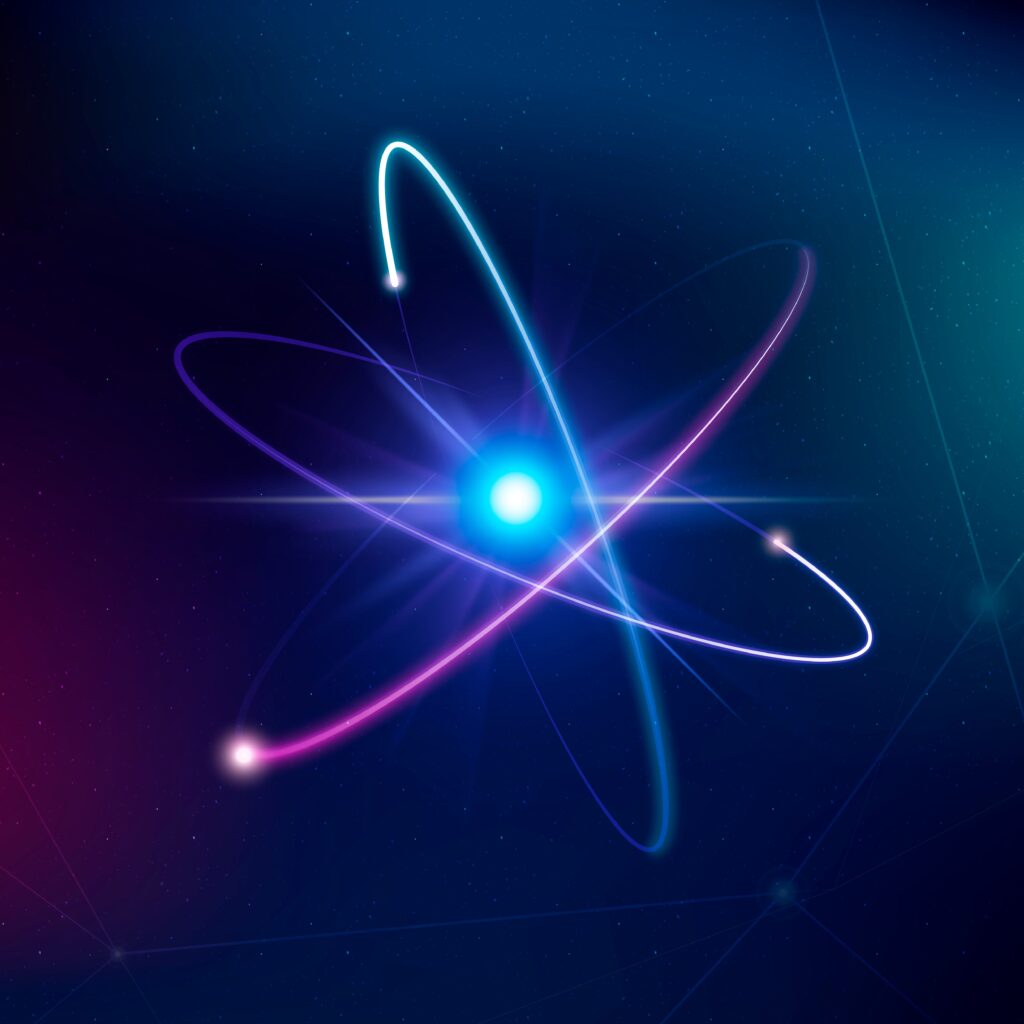
Quantum mechanics explains how matter behaves at very small scales. It often seems strange. However, it is extremely accurate.
Today, this science powers modern electronics. For example, it enables smartphones and compters.
Modern relevance:
- Enables smartphones and computers
- Powers lasers and medical imaging
- Forms the basis of quantum computing
Field: Physics
9. Vaccination
Edward Jenner (1796)

Vaccines train the immune system. They help the body fight disease before infection occurs.
Because of vaccines, many deadly diseases declined. In fact, smallpox was completely eradicated.
Why vaccination changed the world:
- Eradicated smallpox
- Prevented global epidemics
- Saves millions of lives every year
Field: Immunology
10. Fire — Humanity’s First Great Discovery
Prehistoric Era

Fire was humanity’s earliest major discovery. It provided warmth and protection. It also allowed cooking.
Over time, fire improved nutrition and survival. Most importantly, it enabled social development.
Foundational impact:
- Improved nutrition and survival
- Enabled tool-making and civilization
- Laid the groundwork for science itself
Field: Early Human Innovation
Why These Scientific Discoveries Still Matter
These scientific discoveries that changed the world are still relevant today. Each one built on earlier knowledge. Together, they shaped modern life.
In addition, they show the power of curiosity and evidence. Science moves forward by asking questions and testing ideas.
Studying the history of science breakthroughs reminds us that progress is driven by curiosity, evidence, and experimentation.